Pub for sale in the UK: free of tie, leases and licensing explained
Before you offer on a UK pub, understand the beer tie, the premises licence, wet and dry margins and the repair terms in the lease. Here is what to check and ask.
By the BizMarketplace team · · 4 min read
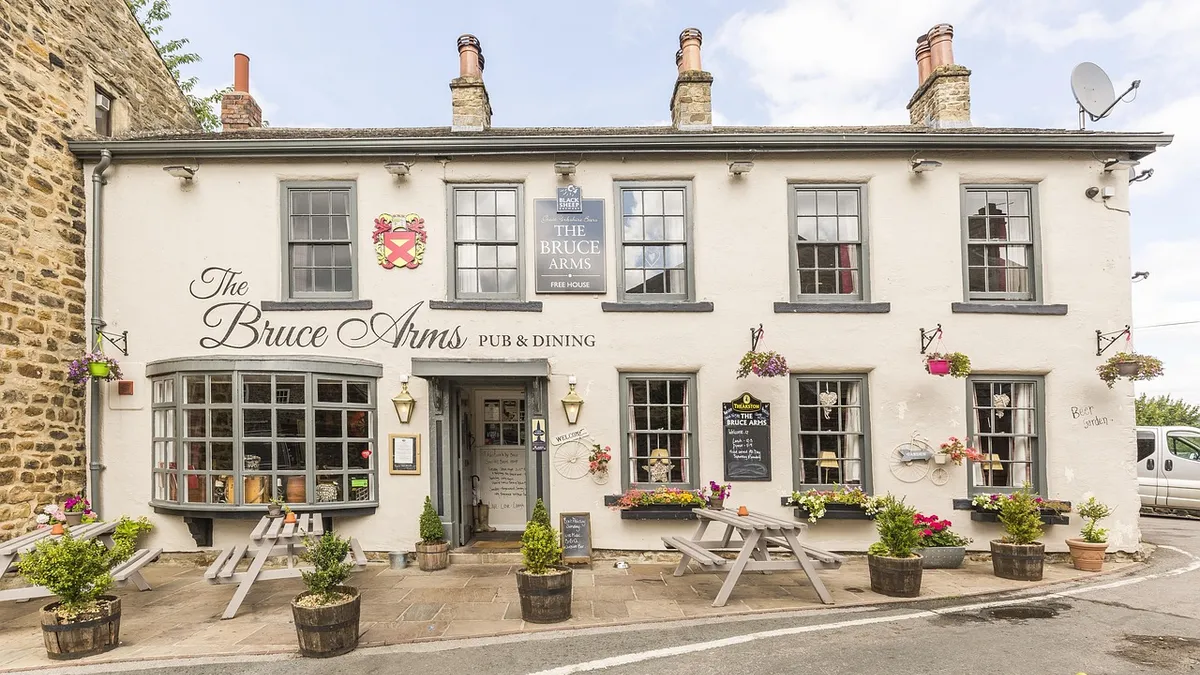
When you look at a pub for sale in the UK, the price on the listing is only part of the deal. What you are really buying is a set of obligations: who you must buy beer from, what hours you can trade, how much of the building you must repair, and how the money splits between drinks and food. Get clear answers on those four things before you talk numbers, and you will avoid most of the expensive surprises.
Free of tie or tied: what it means when buying a pub
A tied pub is one where the landlord, usually a pub company or brewery, requires you to buy some or all of your beer (and sometimes other drinks) from them. In return, the rent is often lower than for an equivalent free-of-tie pub. A free-of-tie pub lets you buy from any supplier.
| Tied | Free of tie | |
|---|---|---|
| Drink prices | Set by the landlord, often above open market | You negotiate with suppliers |
| Rent | Often lower | Usually higher |
| Range | Limited to the landlord's list | Your choice |
| Support | Some pubcos offer training or investment | You arrange your own |
To work out what the tie costs you, ask for the current price list and compare a typical week's order against free-trade prices from a wholesaler. Multiply the difference across a year and set it against the rent saving. If the pub belongs to a large pub company in England or Wales, the Pubs Code may give tied tenants certain rights, including in some cases a market-rent-only option. Ask a solicitor whether it applies to the lease you are taking on.
How to check a pub's premises licence and permitted hours
In England and Wales, the premises licence belongs to the venue and sets out what activities are allowed, when, and under what conditions. Every pub selling alcohol also needs a designated premises supervisor who holds a personal licence. Scotland and Northern Ireland run separate licensing systems, so check the local rules if you are buying there.
Ask the seller for a full copy of the licence, including the plan and all conditions, then check it with the local licensing authority. Look for:
- Permitted hours for alcohol, late-night refreshment and recorded or live music
- Conditions such as door staff, CCTV, capacity limits or restrictions on outdoor drinking
- Any history of reviews, warnings or complaints from neighbours
- Whether the hours the pub actually trades match what the licence allows
You will need to transfer the licence and appoint a new supervisor, so build the timing into your completion date. If you do not hold a personal licence, start the training and application early.
Wet and dry sales: reading a pub's figures
Wet sales are drinks; dry sales are food. They behave very differently, so ask for them separately rather than as one turnover figure. Request at least two to three years of accounts, recent VAT returns and till reports broken down by category.
Compare the gross margin on each. Food margins depend heavily on menu pricing and waste, while drink margins are squeezed if the pub is tied. A pub with strong food sales may rely on a particular chef, so ask who cooks and whether they are staying. Also check other income lines, such as letting rooms, gaming machines or function hire, and whether they are recorded properly.
If the accounts and the till data do not line up, ask why. Ask your accountant to review the figures before you agree a price.
Cellar, beer lines and repair obligations in the lease
The cellar is the engine of a pub, and fixing it is rarely cheap. Ask when the beer lines were last cleaned and how often, who owns the cooling and dispense equipment (in tied pubs it may belong to the landlord or brewery), and whether there have been problems with temperature or gas supply.
Then read the lease carefully with a solicitor. Many pub leases are full repairing and insuring, which can make you responsible for the roof, structure and drains as well as the interior. Check for:
- A schedule of condition, which can limit what you must put right later
- Dilapidations liabilities due at the end of the term
- Planned works or outstanding repair notices from the landlord
- Rent review dates, the remaining term and whether you have security of tenure
- Whether the landlord must consent to the lease being assigned to you
A building survey is worth paying for, even on a leasehold.
Questions to ask before making an offer on a pub for sale
Take this list to your first viewing:
- Is the pub tied, and for which products? Can I see the price list?
- Can I see the full premises licence, plan and conditions?
- What are wet, dry and other sales for each of the last few years?
- When were the beer lines and cellar equipment last serviced, and who owns them?
- What repairs is the tenant responsible for, and are any due?
- Which staff are staying, and will they transfer to me?
- Why is the owner selling?
You can browse pubs and bars for sale across the UK on BizMarketplace, or narrow your search to pubs and bars for sale in London or pubs and bars for sale in Manchester. Compare several before you commit, and let a solicitor and accountant check the detail.
Frequently asked questions
What does free of tie mean for a pub?
A free-of-tie pub can buy beer and other drinks from any supplier it chooses. A tied pub must buy some or all of its drinks from the landlord, usually a pub company or brewery, often at higher prices in exchange for lower rent.
Do I need a personal licence to buy a pub?
In England and Wales, a pub selling alcohol needs a designated premises supervisor who holds a personal licence. That can be you or a member of staff, but many owners get their own. Scotland and Northern Ireland have different systems, so check local rules.
Is it better to buy a leasehold or freehold pub?
A leasehold usually costs less upfront but comes with rent, possible tie terms and repair obligations set by the landlord. A freehold gives you control of the building but needs more capital. Which suits you depends on your budget and plans, so take advice from an accountant and solicitor.
What is the difference between wet and dry sales in a pub?
Wet sales are drinks and dry sales are food. They have different margins and costs, so buyers should ask for each separately to see how the pub really makes its money.
This guide is general information, not legal, tax or financial advice. Rules differ by country, state and province; speak to a qualified solicitor, attorney, lawyer or accountant before buying or selling a business.
Related guides

Online Business for Sale: How to Verify Traffic and Revenue
Before you buy an online business, check the traffic, revenue and ownership yourself. Here is what to request, where to verify it and which red flags to watch for.
5 Nov 2026 · 4 min read

Service Business for Sale in the UK: Contracts, Staff and Vehicles
How to check the contracts, staff, vans and job records behind a UK cleaning or service business before you make an offer.
5 Nov 2026 · 4 min read
Garage for Sale in the UK: Equipment, MOT Approval and Customer Checks
Before you buy a garage or car repair business, check waste handling, MOT authorisation, the real condition of the equipment and how loyal the trade customers are.
5 Nov 2026 · 4 min read