Garage for Sale in the UK: Equipment, MOT Approval and Customer Checks
Before you buy a garage or car repair business, check waste handling, MOT authorisation, the real condition of the equipment and how loyal the trade customers are.
By the BizMarketplace team · · 4 min read
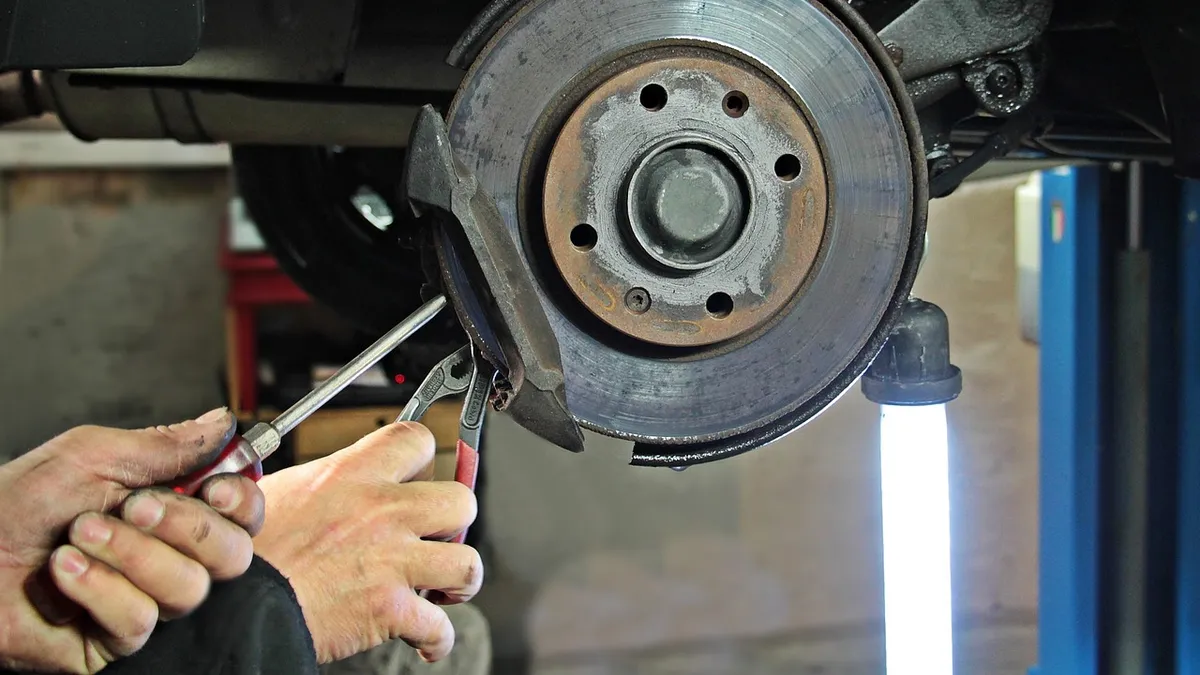
When you look at a garage for sale, four things decide whether it is a good buy: whether it is environmentally compliant, whether any MOT authorisation can carry on under you, what the equipment is really worth, and whether the customers will stay once the current owner leaves. Get clear answers on each before you agree a price. Most problems in garage purchases come from one of these four.
What to check on waste oil, drainage and environmental permits
Garages handle waste oil, used filters, batteries, coolant and old parts, much of which counts as hazardous waste. Ask the seller who collects it and for recent waste transfer and consignment notes. Gaps in the paperwork suggest waste has been disposed of informally, and that risk can follow the business.
Look at the yard and drainage. Ask whether there is an oil interceptor, when it was last emptied and whether the site has consent to discharge anything to the sewer. Some activities, such as spray painting, may also need a permit from the local council.
If the site has old fuel tanks or a long history of motor trade use, ask about contamination. Your solicitor should check whether the lease makes you responsible for cleaning up the site when you leave, and whether an environmental survey is worth commissioning.
Does MOT authorisation transfer to a new owner?
Generally not automatically. DVSA authorisation sits with the business owner (the Authorised Examiner), so a change of ownership usually means applying to DVSA yourself. Individual MOT testers hold their own status, which stays with them, not the premises.
Ask the seller for:
- Their current DVSA authorisation details and any recent site assessment results
- Who the testers are, and whether they are staying
- Calibration records for the brake tester, emissions kit and headlamp aligner
- How many tests are done each month and what share of turnover they bring in
Whether you buy the company's shares or just its assets can affect what has to be reapplied for, so ask your solicitor and check current DVSA guidance. Build the application time into your completion plan, because a gap in testing means lost income and customers who drift elsewhere.
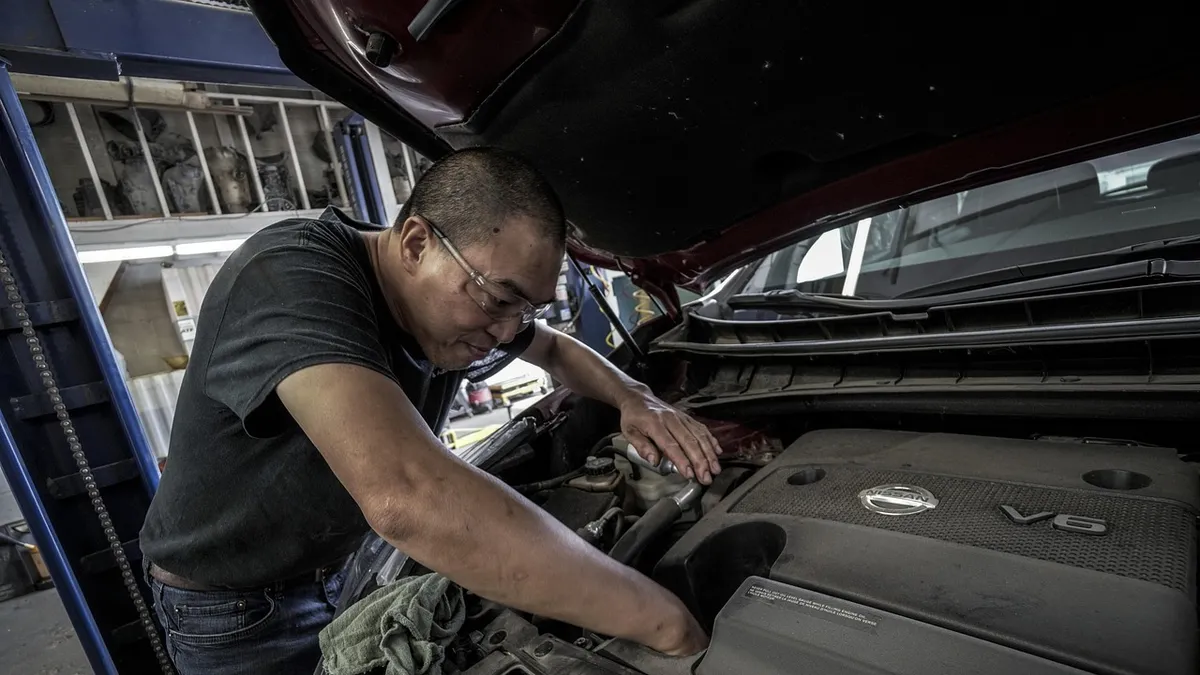
How to value lifts, diagnostic equipment and parts stock
Equipment often makes up a large part of the asking price, so ask for an itemised list with ages and service history rather than one lump sum.
| Item | What to ask for |
|---|---|
| Vehicle lifts | Latest LOLER thorough examination reports and repair history |
| Compressor | Written scheme of examination and inspection records |
| Diagnostic equipment | Whether software subscriptions transfer, and renewal costs |
| Air conditioning kit | Whether staff hold the F-gas qualification needed to use it |
| Parts stock | A stock count at completion, valued at cost |
Diagnostic tools are often licensed to the seller, so an expensive scanner may need a new subscription in your name. With parts stock, agree that obsolete or damaged items are excluded and that the final figure is based on a count on the day of completion, not an estimate made months earlier.
Questions to ask about fleet and trade customers
Trade and fleet accounts give a garage steady work, but they can also leave quickly. Ask for a list of accounts showing how long each has been a customer, what they spend each year and whether there is a written agreement or just a handshake.
Watch for concentration. If one fleet or one local dealer provides a large share of the work, ask what happens if they move. Check payment terms and how much is owed at any time, because slow-paying accounts tie up cash.
For retail customers, ask to see the garage management system: repeat visit rates, booked work and MOT reminder lists. These records show whether customers return to the garage or only to the owner.
Red flags when buying a garage or car repair business
- The owner is the main mechanic and plans to leave straight after completion
- Takings are heavily cash with weak records
- Missing LOLER reports or no waste paperwork
- A short lease, or a lease that does not clearly allow vehicle repair
- Key technicians who have not been told about the sale
Staff are usually protected by TUPE when a business changes hands, so get advice on their contracts. Also check that planning permission covers vehicle repair; in England this is normally general industrial use, and the council can confirm what applies.
Where to find a garage for sale
Start with listings of automotive businesses for sale to compare asking prices, turnover and lease terms across different areas. If you want to stay local, browse businesses for sale near you on BizMarketplace. Owners preparing to sell can list a business for sale free and get these documents ready in advance, which tends to make the sale quicker.
Whichever garage you choose, use an accountant to test the figures and a solicitor to review the lease, permits and authorisations before you commit.
Frequently asked questions
Can I take over an existing MOT centre when I buy a garage?
You can buy the premises and equipment, but DVSA authorisation does not usually pass to a new owner automatically. You will normally need to apply to become the Authorised Examiner yourself. Check current DVSA guidance and plan for the application time.
How is the parts stock valued when buying a garage?
Stock is normally valued at cost price based on a count carried out on the day of completion. Obsolete, damaged or slow-moving parts should be excluded or discounted. Agree the method in writing before exchange.
Do I need qualifications to own a car repair garage?
Owners do not usually need a specific qualification, but certain work does require it. MOT testing needs qualified testers, and handling air conditioning refrigerant requires an F-gas qualification. Make sure the right qualified staff are staying with the business.
What documents should a garage seller provide?
Ask for accounts, VAT returns, the lease, equipment lists with LOLER and pressure system records, waste transfer notes, DVSA details if MOTs are done, and a list of trade accounts. Your accountant and solicitor can tell you what else to request.
This guide is general information, not legal, tax or financial advice. Rules differ by country, state and province; speak to a qualified solicitor, attorney, lawyer or accountant before buying or selling a business.
Related guides

Online Business for Sale: How to Verify Traffic and Revenue
Before you buy an online business, check the traffic, revenue and ownership yourself. Here is what to request, where to verify it and which red flags to watch for.
5 Nov 2026 · 4 min read

Service Business for Sale in the UK: Contracts, Staff and Vehicles
How to check the contracts, staff, vans and job records behind a UK cleaning or service business before you make an offer.
5 Nov 2026 · 4 min read

Guest House for Sale in the UK: Occupancy, Costs and Checks
Buying a B&B or guest house means testing three things: real occupancy and room rates, compliance costs and the condition of the building. Here is what to ask for.
5 Nov 2026 · 5 min read