Cafe for sale in the UK: costs, checks and red flags before you buy
Buying a café means buying a lease, supplier contracts and a takings pattern that rises and falls with footfall and weather. Here is what to check before you offer.
By the BizMarketplace team · · 4 min read
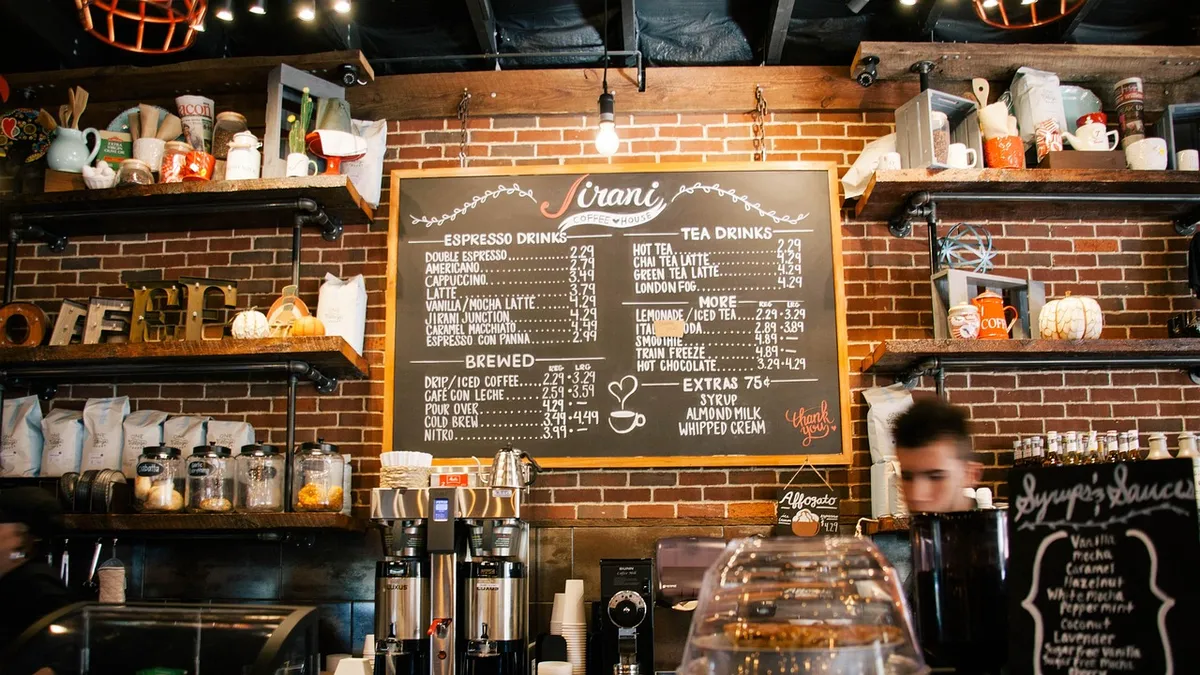
If you are looking at a cafe for sale, the asking price is only the start. What you are really buying is a lease, a set of supplier contracts and a pattern of daily takings that depends on footfall and weather. Before you make an offer, get at least a year of takings broken down by day, read every coffee and equipment agreement, check the rent against turnover and confirm that any outdoor seating is licensed.
What does a cafe for sale actually cost?
Most UK cafés are sold leasehold. The price usually covers goodwill plus fixtures, fittings and equipment, with stock added at valuation on completion day. The cash you need is higher than the headline figure.
| Cost | What it covers |
|---|---|
| Purchase price | Goodwill, fixtures, fittings and equipment |
| Stock at valuation | Coffee, milk, food and packaging on the day |
| Your solicitor | Sale contract and lease assignment |
| Landlord's costs | Legal and surveyor fees for consent to assign (who pays is negotiable) |
| Rent deposit | Landlords often ask a new tenant for a deposit |
| Working capital | Wages, suppliers and rent through your first quieter months |
Ask the seller for a written inventory listing each item of equipment, its age and whether it is owned outright. Leased kit is not the seller's to sell. Speak to an accountant about VAT on the purchase, as the treatment depends on how the sale is structured.
How to check a café's takings
Annual accounts hide the detail that matters. Ask for 12 to 24 months of till reports by day, then look for the pattern.
- Weekday versus weekend. An office-area café may be dead on Saturdays. A park or seaside café may be the opposite.
- Season and weather. Compare summer with winter and school holidays with term time. Some cafés earn most of their year in a few months.
- Match the figures. Till reports should tie to card terminal statements, bank deposits and the accounts filed with HMRC. Do not pay for cash takings the seller says were never declared.
- Check purchases. Coffee, milk and food invoices should rise and fall with sales. If takings jump while purchases stay flat, ask why.
- Cost the owner's time. If the seller works 60 hours a week behind the counter, budget for replacing that labour.
Then visit at different times, morning rush, mid-afternoon and a wet weekday, and count customers. Ask about nearby changes such as office closures, new competitors or planned roadworks.

Coffee supplier and equipment lease agreements
Many cafés get their espresso machine and grinder through a coffee roaster, on condition that they buy a minimum amount of coffee, or through a finance lease. These agreements can follow you for years.
For every agreement, ask for a copy and find out:
- Who owns the equipment.
- How long is left and what the monthly payment is.
- Whether there is a minimum volume or an exclusivity clause.
- Whether it can be transferred to you or ended early, and the settlement figure in writing.
- Whether servicing and repairs are included.
If you want to change coffee brand, a tied contract may stop you or cost you to exit. Also check the card terminal, EPOS subscription, waste collection and any delivery app accounts.
Lease, rent and outdoor seating checks
Work out rent as a share of verified turnover. As a rough rule of thumb, rent above 10 to 15% of turnover squeezes margins, though it varies by location and trading hours. Then have your solicitor review:
- Years remaining, rent review dates and any break clauses.
- Whether the lease is inside or outside the Landlord and Tenant Act 1954, which affects your right to renew.
- Permitted use, repair obligations and dilapidations.
- The landlord's consent to assign, which can take weeks.
Outdoor tables on a public pavement need a pavement licence from the council. Licences are usually granted to the business operator and may not transfer automatically, so check the expiry date and whether you must apply again. If summer trade depends on outside seating, an unlicensed or expiring arrangement directly affects the takings you are paying for. Selling alcohol needs a premises licence.
Food hygiene, staff and safety
Check the café's food hygiene rating and ask for the latest inspection report. As the new operator you must register the food business with the council, and you will be inspected in your own right.
Staff usually transfer to you on their existing terms under TUPE. Ask for contracts, pay rates, holiday owed and right-to-work records. Request the gas safety certificate, fire risk assessment, extraction servicing records and allergen information.
Red flags when buying a café
- The claimed takings are higher than the filed accounts.
- The seller will not let you watch the café trade.
- A short lease, an imminent rent review or a slow-to-respond landlord.
- Leased equipment described as included in the price.
- A low hygiene rating or signs of pests.
- Trade relying on one nearby employer or event.
- Outdoor tables without a current licence.
Compare several businesses before committing. You can browse cafés & coffee shops for sale on BizMarketplace, narrow the search to cafés & coffee shops for sale in London, or look at businesses for sale near you to see what similar cafés are asking.
Frequently asked questions
How much rent is too much for a café?
A common rule of thumb is that rent above 10 to 15% of turnover starts to squeeze margins, though it varies with location, hours and menu. Work it out using takings you have verified, not the seller's estimate.
Does a pavement licence transfer when you buy a café?
Not always. Pavement licences are usually issued to the operator by the local council, so check the expiry date and whether you need to apply in your own name before relying on outdoor seating.
Do café staff transfer to the new owner?
In most UK business sales, employees transfer to the buyer on their existing terms under TUPE. Ask for contracts, pay details and holiday owed, and take advice from a solicitor on your obligations.
Can I change the coffee supplier after buying a café?
Only if the existing supply agreement allows it. Many contracts tie the espresso machine to minimum coffee purchases, so get the remaining term and a written exit cost before you buy.
This guide is general information, not legal, tax or financial advice. Rules differ by country, state and province; speak to a qualified solicitor, attorney, lawyer or accountant before buying or selling a business.
Related guides

Online Business for Sale: How to Verify Traffic and Revenue
Before you buy an online business, check the traffic, revenue and ownership yourself. Here is what to request, where to verify it and which red flags to watch for.
5 Nov 2026 · 4 min read

Service Business for Sale in the UK: Contracts, Staff and Vehicles
How to check the contracts, staff, vans and job records behind a UK cleaning or service business before you make an offer.
5 Nov 2026 · 4 min read
Garage for Sale in the UK: Equipment, MOT Approval and Customer Checks
Before you buy a garage or car repair business, check waste handling, MOT authorisation, the real condition of the equipment and how loyal the trade customers are.
5 Nov 2026 · 4 min read