Restaurant for Sale in the USA: A Due Diligence Checklist
Before you buy a restaurant in the US, prove the sales, know who is staying, confirm the liquor license will transfer and inspect the kitchen. Here's how.
By the BizMarketplace team · · 4 min read

If you're looking at a restaurant for sale, due diligence comes down to four things: prove the sales are real, understand which staff will stay, confirm you can legally keep serving alcohol, and make sure the kitchen will pass its next inspection. Do all four before your earnest money becomes non-refundable, and write each one into your purchase agreement as a contingency. Your attorney and CPA should review the details, but the checklist below shows you what to ask for.
How to verify a restaurant's sales and food cost
Start with 12 to 36 months of point-of-sale (POS) reports showing covers, average check and sales by day and daypart. Then check whether the numbers agree with each other. Weekly covers multiplied by the average check, multiplied by 52, should land close to the annual sales on the P&L.
Next, compare the P&L against documents that are harder to adjust: federal tax returns, state sales tax filings and bank deposits. If a seller says there is extra cash that never made it onto the returns, you can't verify it, and lenders, including SBA lenders, generally work from tax returns.
| Number | Where to get it | Check it against |
|---|---|---|
| Covers per week | POS reports | Seats, opening hours, your own counts on site |
| Average check | POS reports | Current menu prices |
| Food cost % | Supplier invoices and P&L | Food sales on the POS and sales tax filings |
| Annual sales | P&L | Tax returns, sales tax filings, bank deposits |
For food cost, add up supplier invoices for a few sample months and divide by food sales for the same months. Many operators aim for roughly a quarter to a third of food sales, but it varies by concept. A figure far below normal can mean purchases are missing from the books. Finally, eat there on a busy night and a slow one, and count the tables yourself.
What happens to the staff when you buy a restaurant?
In most US restaurant sales, employees don't transfer automatically. In a typical asset purchase, the seller ends their employment and you decide whom to rehire. That gives you flexibility, but it also means your best people can walk.
Ask the seller for a staff roster that shows:
- Role, pay rate and whether the person is paid as a tipped employee
- Average weekly hours and start date
- Accrued vacation or PTO, and who pays it out at closing
- Any written agreements, such as a chef or general manager contract
- Whether any staff are covered by a union agreement
With the seller's permission, meet the chef and manager before closing. If the menu depends on one cook, find out whether they'll stay. Also ask your attorney about tip pooling, overtime and tip credit practices, because state rules differ and past wage problems can become your problem after you take over.
Will the liquor license transfer to me?
Alcohol is licensed at the state level, and often locally too, so the rules vary widely. In some states the number of licenses is limited, which can make an existing license valuable and sometimes priced separately. In others, getting a new license is more routine.
Either way, a transfer usually means an application, a background check on you and any partners, and sometimes a public notice period. It can take weeks or months. Ask the seller and your attorney:
- Can the license be transferred to a new owner, or must you apply for a new one?
- Are temporary or interim permits available while approval is pending?
- What conditions apply, such as service hours, food-to-alcohol sales ratios, outdoor seating or live music limits?
- Has the license had violations, suspensions or complaints?
Make closing conditional on approval. A restaurant that relies on bar sales is a very different business without them.
How to inspect the kitchen, hood and fire systems
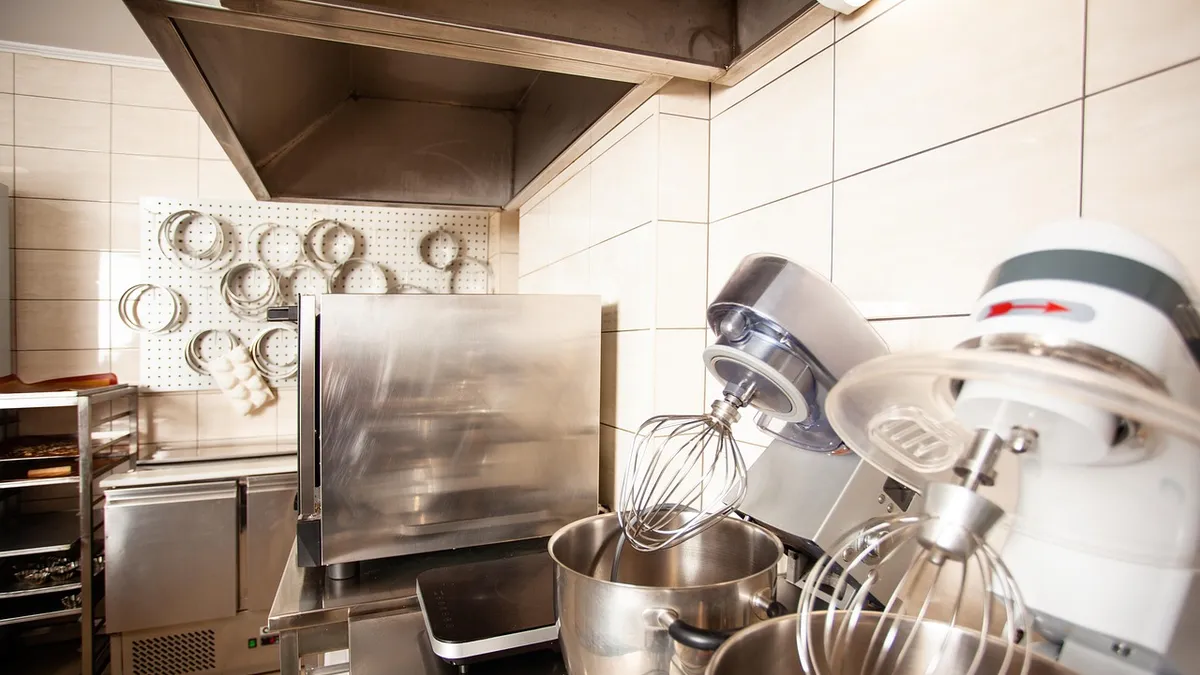
Get an equipment list with make, age and condition, and note what's owned versus leased. Dish machines, ice machines and POS systems are often leased, and leased equipment isn't the seller's to sell.
Then request the paperwork:
- Fire suppression system service tags showing recent inspection
- Hood and duct cleaning records
- Grease trap pump-out records
- Recent health department inspection reports, which are often public
- Certificate of occupancy and any fire marshal reports
Pay a commercial kitchen or refrigeration technician to check the walk-in, compressors, cooking line and ventilation. A change of ownership can trigger a new health permit and inspection, and the inspector may require upgrades the previous owner was never asked to make.
Red flags when looking at a restaurant for sale
Walk away, or renegotiate, if you see any of these:
- The seller won't share tax returns or sales tax filings
- Few years left on the lease, or a landlord unwilling to approve an assignment
- Food cost that looks unusually low for the menu
- Repeated health violations or expired fire system tags
- The owner is also the chef, with no plan to hand over recipes or train you
- Pressure to skip conversations with staff or the landlord
To compare deals, browse restaurants for sale on BizMarketplace, or narrow it down by city, such as restaurants for sale in Chicago. Run every serious option through this checklist before you sign a letter of intent, and you'll know which questions to put to your attorney and CPA.
Frequently asked questions
What documents should I ask for when buying a restaurant?
Ask for POS reports, monthly P&Ls, federal tax returns, state sales tax filings and bank statements for at least the last one to three years. Also request the lease, the liquor license and its conditions, an equipment list, a staff roster and recent health and fire inspection records.
Do employees stay when a restaurant is sold in the US?
Not automatically. In a typical asset sale, the seller ends employment and the buyer chooses whom to rehire, so key staff such as the chef or manager should be approached before closing with the seller's permission.
Can I take over the seller's liquor license?
It depends on your state and sometimes your city. Many states allow transfers after an application and background check, while others require a new license, so make your purchase contingent on approval and ask an attorney about local rules.
How do I know if a restaurant's sales figures are real?
Cross-check POS reports against the P&L, then compare both with tax returns, sales tax filings and bank deposits. Visiting at different times and counting covers yourself is a simple way to test whether the reported volume is believable.
This guide is general information, not legal, tax or financial advice. Rules differ by country, state and province; speak to a qualified solicitor, attorney, lawyer or accountant before buying or selling a business.
Related guides

Franchise for Sale: What to Check in the Franchise Agreement
Buying an existing franchise means taking on the franchisor's contract. Here is what to check in the agreement and FDD, and what to ask, before you make an offer.
5 Nov 2026 · 4 min read

Online Business for Sale: How to Verify Traffic and Revenue
Before you buy an online business, check the traffic, revenue and ownership yourself. Here is what to request, where to verify it and which red flags to watch for.
5 Nov 2026 · 4 min read

Salon for Sale in the US: What to Ask the Seller Before You Buy
Before you offer on a hair or beauty salon, find out who the stylists are, whether clients rebook, what licenses transfer and how much rides on the owner.
5 Nov 2026 · 4 min read