Convenience Store for Sale in the US: Margins, Licenses and Due Diligence
How to judge a US convenience store before you buy: separating commission income, checking licenses and franchise terms, counting inventory at closing and spotting new competition.
By the BizMarketplace team · · 4 min read
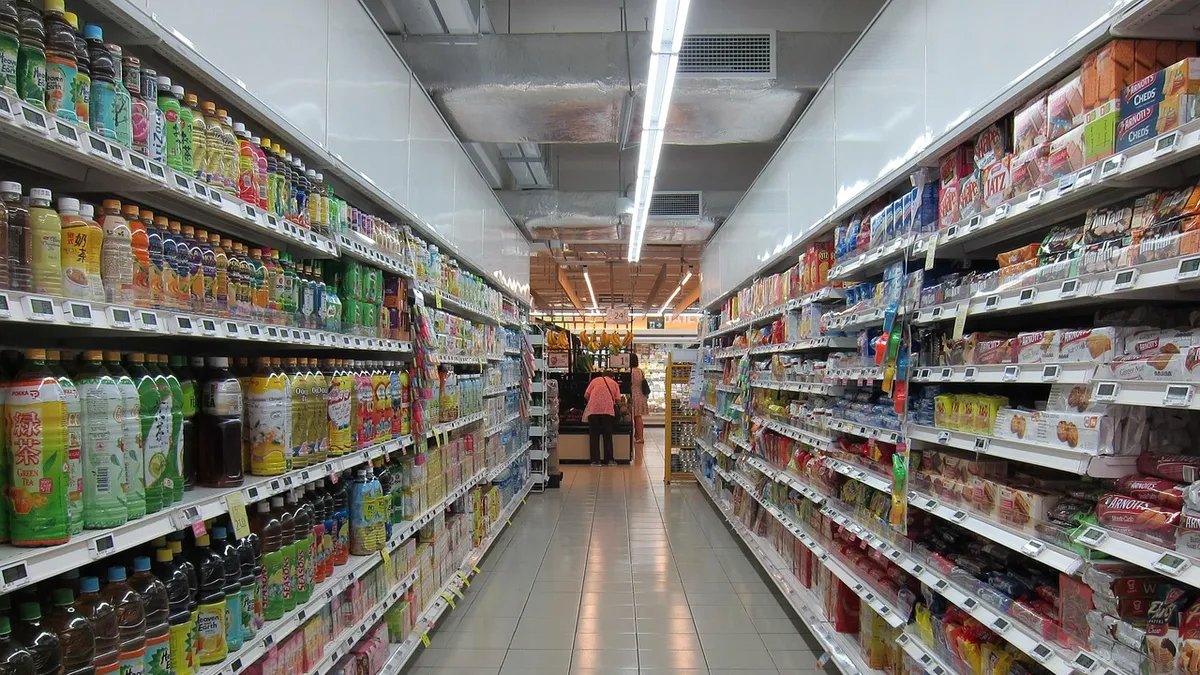
A convenience store for sale in the US can offer steady, cash-heavy daily trade, but the headline sales figure usually overstates what the store actually earns. Before you make an offer, split revenue into merchandise sales and commission income, find out which licenses you will need to reapply for, read any franchise or fuel supply agreement, and agree in writing how inventory will be counted on closing day. Here is how to work through each step.
How profitable is a convenience store for sale?
Margins vary a lot by category. Cigarettes and other tobacco often bring high volume at a thin margin, while coffee, fountain drinks and prepared food usually earn more per dollar. A store with strong food sales can be worth more than one with higher total sales driven by tobacco.
Ask the seller for:
- Profit and loss statements for the last two to three years
- Federal tax returns for the same period
- Point-of-sale (POS) reports broken down by department
- State sales tax returns
- A sample of recent supplier invoices
Compare the tax returns with the POS reports and sales tax filings. If a seller tells you the store makes more cash than it reports, do not pay for income you cannot verify. If you plan to use an SBA loan, the lender will rely on the documented figures, not verbal claims.
Separating store sales from lottery, money orders and bill pay
Many stores run large sums through lottery, money orders, bill payment, check cashing, prepaid cards and ATMs. The store handles all of that money but keeps only a commission or fee, so these services can make turnover look far bigger than the profit behind it.
| Income stream | What the store keeps | What to ask for |
|---|---|---|
| Lottery | A commission set by the state lottery | State lottery settlement statements |
| Money orders and bill pay | A fee per transaction | Agent agreement and provider statements |
| ATM | Surcharge share, depending on who owns the machine | ATM contract and monthly reports |
| Merchandise | Gross margin on goods sold | POS department reports and invoices |
These services still have value because they bring people through the door who then buy drinks and snacks. Just value them on the commissions, not the gross amounts.

Which licenses transfer when you buy a convenience store
Most licenses do not simply pass to a new owner. Expect to apply in your own name for several of them, and build that time into the deal.
- Liquor license: Rules vary widely by state. Some states limit the number of licenses, some allow transfers with approval, and others require a new application. Make your offer contingent on approval.
- Tobacco retailer license: Usually state-issued, sometimes with a city or county permit too. Ask about past compliance checks, as violations for underage sales can lead to fines or suspensions.
- SNAP/EBT: USDA authorization does not transfer. You apply as the new owner, and losing EBT customers during a gap can hurt sales.
- Lottery: The state lottery will require its own application and background check.
- Food and health permits: Needed for prepared food, issued by the local health department.
Ask for copies of every license and any violation notices, and have your attorney confirm what applies in your state.
Franchise and supplier agreements to read before closing
If the store is a franchise, the franchisor will normally need to approve you, may charge a transfer fee and may require a remodel. Ask for the franchisor's current Franchise Disclosure Document and read the remaining term.
Independent stores have contracts too. Fuel supply agreements can include branding, minimum volume commitments and costs for leaving early. Check wholesaler contracts, tobacco manufacturer incentive programs and who owns the coolers and drink equipment. Read the lease for remaining term, renewal options and assignment terms. If the site sells fuel, ask for underground storage tank records and consider a Phase I environmental site assessment.
How inventory is counted and valued at closing
Inventory is usually paid for on top of the business price, based on a count on closing day. Put the method in the purchase agreement:
- Use an independent inventory service and agree who pays for it.
- Value stock at cost from supplier invoices, not retail price.
- Exclude expired, damaged and unsellable items.
- Count tobacco and alcohol separately.
- Settle lottery tickets and balances with the state lottery.
- Agree how cash in registers and the safe is handled.
Some states can hold a buyer responsible for a seller's unpaid sales tax. Ask your attorney or CPA whether you need a tax clearance certificate before closing.
Checking competition from new grocery and dollar stores
A new grocery store, dollar store or chain gas station nearby can take trade quickly. Search your city or county planning department for building permits and zoning applications, drive the area at different times, and look out for road projects that could affect access. Ask the seller directly why they are selling.
When you are ready to compare options, browse convenience stores for sale on BizMarketplace, or narrow your search to markets such as convenience stores for sale in Chicago or businesses for sale near you.
Frequently asked questions
Does a liquor license transfer when you buy a convenience store?
It depends on the state. Some states allow a transfer with approval from the licensing authority, while others require the new owner to apply for a new license. Make your purchase contingent on approval and ask an attorney about your state's rules.
Is inventory included in the price of a convenience store?
Usually not. Most deals set a price for the business and add inventory at cost based on a count on closing day. The counting method, who does it and what is excluded should be written into the purchase agreement.
Can I keep accepting SNAP/EBT after buying a store?
SNAP authorization from the USDA does not transfer to a new owner. You need to apply in your own name, so start early to reduce any gap in accepting EBT payments.
How do lottery sales affect a convenience store's value?
The store keeps only a commission on lottery sales, so the gross figures overstate profit. Value lottery on the commission shown in state settlement statements, while recognizing it brings in customers who buy other items.
This guide is general information, not legal, tax or financial advice. Rules differ by country, state and province; speak to a qualified solicitor, attorney, lawyer or accountant before buying or selling a business.
Related guides

Franchise for Sale: What to Check in the Franchise Agreement
Buying an existing franchise means taking on the franchisor's contract. Here is what to check in the agreement and FDD, and what to ask, before you make an offer.
5 Nov 2026 · 4 min read

Online Business for Sale: How to Verify Traffic and Revenue
Before you buy an online business, check the traffic, revenue and ownership yourself. Here is what to request, where to verify it and which red flags to watch for.
5 Nov 2026 · 4 min read

Salon for Sale in the US: What to Ask the Seller Before You Buy
Before you offer on a hair or beauty salon, find out who the stylists are, whether clients rebook, what licenses transfer and how much rides on the owner.
5 Nov 2026 · 4 min read